Product tour

See how governed agentic AI works

Walk through the platform screen by screen — no confidential data, fictional insurance example only. From configuring your agent network to retaining audit evidence, this is what enterprise teams get when they deploy OrqForge.

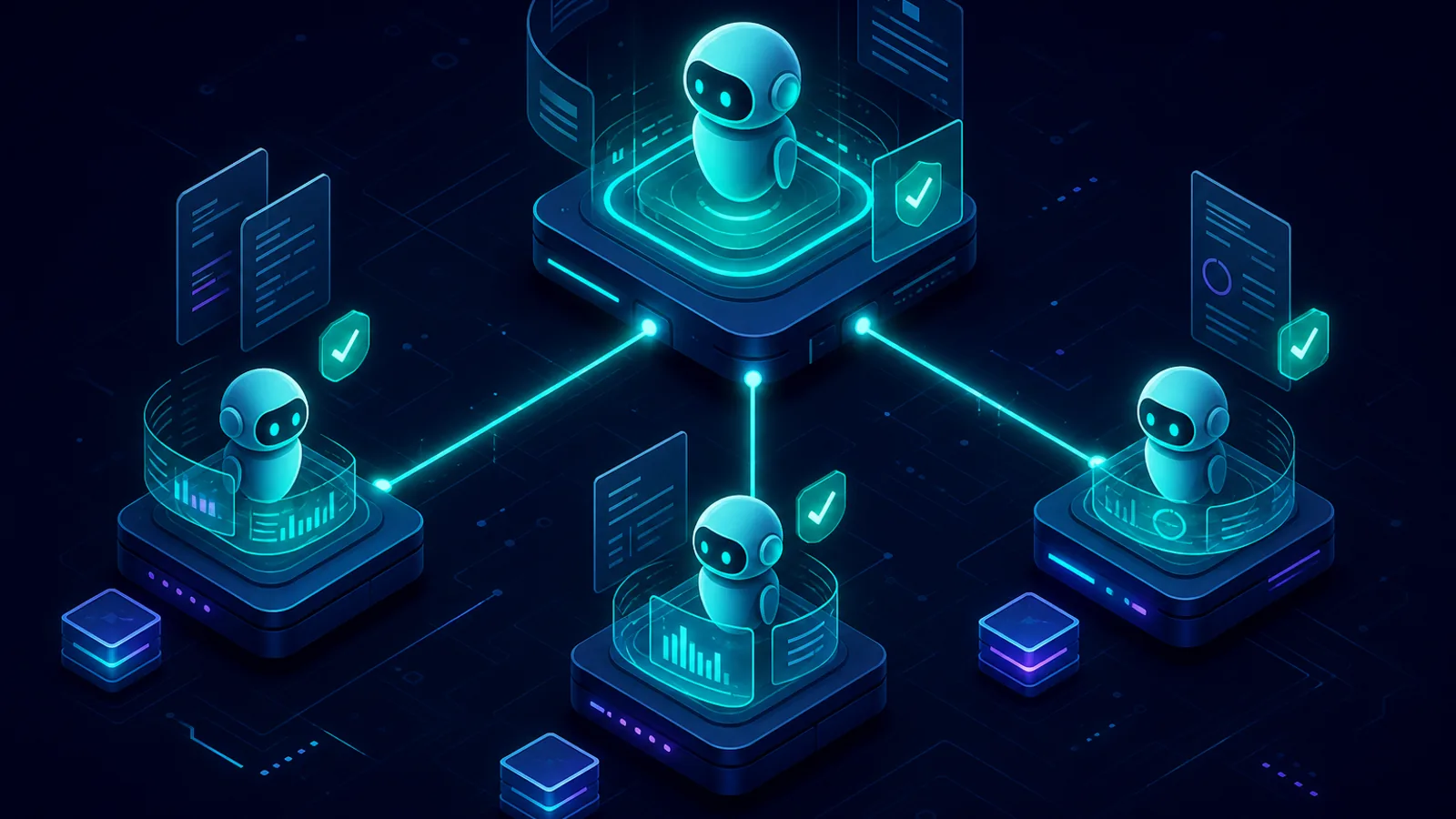
OrqForge agent delegation — specialist agents collaborating on a governed enterprise workflow

Built for enterprise operators, not experiments

OrqForge replaces slow, inconsistent human coordination with governed agent networks — while keeping humans accountable for material outcomes. These screens show the production platform using a demo workspace only.

Days

Typical workspace configuration target — not years

11 stages

Visible pipeline on every run

100%

Material outcomes pass human review gates

Any channel

Teams, email, webhooks, schedules

End-to-end flow

From configuration to audit-ready delivery

Insurance claims is the example scenario below — fictional data only. The same eight-stage pattern applies to any enterprise process you configure in OrqForge.

  1. 1 Configure

    Design your agent network in days

    Skip multi-year integration projects. Business and IT co-design the operating model together.

    The agentic flow builder proposes workspaces, roles, taxonomy, and review paths from your process material. Insurance claims is our walkthrough example — the same builder configures onboarding, approvals, support triage, or any enterprise workflow.

    app.orqforge.com/workspaces/demo-insurance/ai-trainer
    AI Trainer 19 messages
    I've reviewed your process docs. For this insurance example I'm proposing 6 roles across intake, evaluation, adjustment, and publishing. Enable orchestrator + FNOL + damage eval for the demo?
    Yes — enable those three plus adjuster. Keep fraud detection disabled for now.
    Done. Taxonomy updated: claim_intake, damage_assessment, adjustment_report. Review gates set to draft mode.
    Attach documents or describe changes…
    Send
  2. 2 Organise

    Define hierarchy and accountability

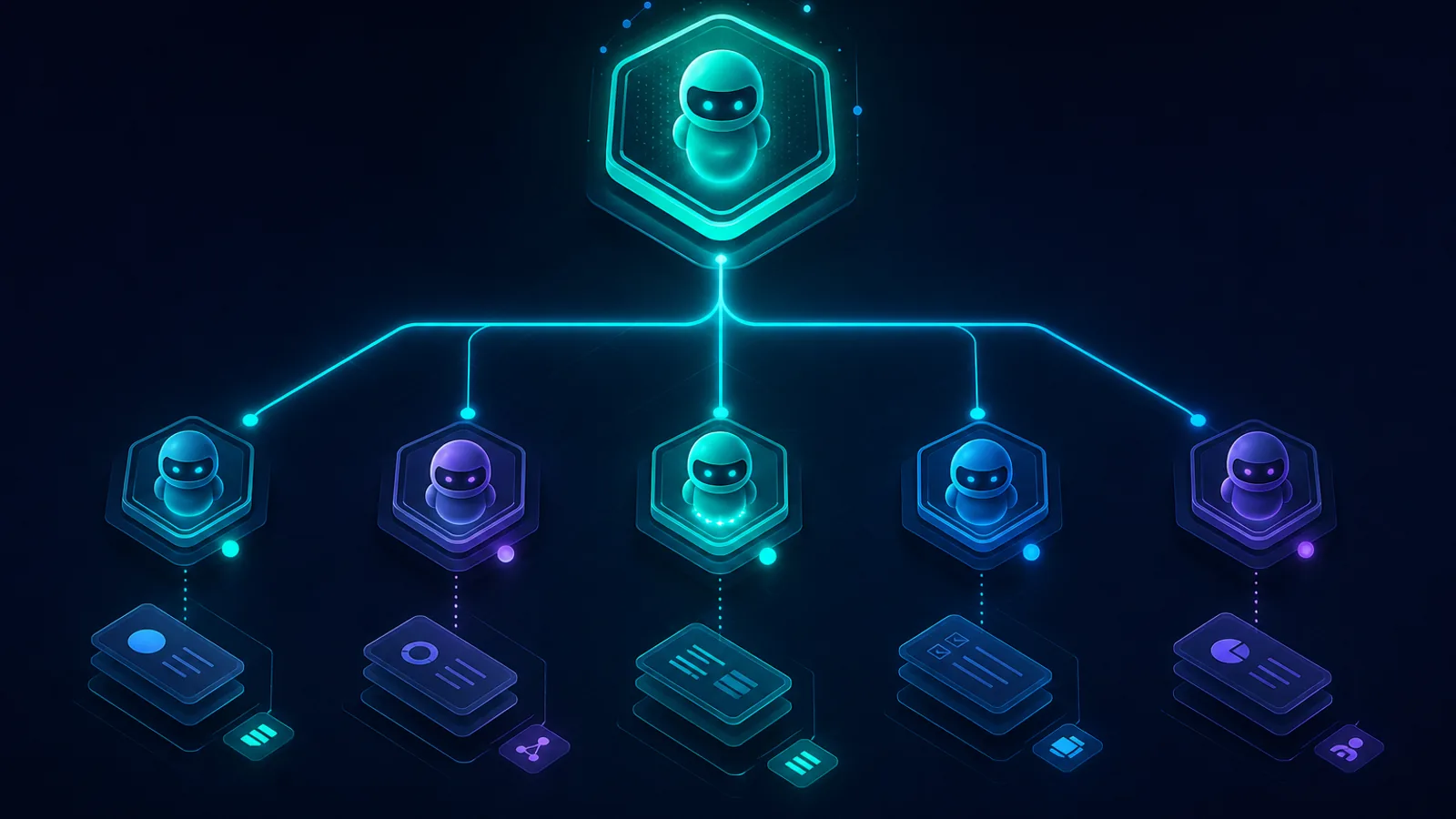
    Chain of command, not a single prompt. Every agent has scoped tools, owners, and review paths.

    Orchestrators delegate to specialists. Stream owners assign human reviewers. Data boundaries stay inside the workspace — no unbounded agent access.

    app.orqforge.com/workspaces/demo-insurance/org/organisation

    Agent hierarchy

    Insurance claims (demo) · 6 roles · 3 tiers

    Live
    1

    Process Orchestrator

    Stream owner · Ops Lead (human)

    Draft execution

    • Intake Agent

      Teams · Email · Webhook

    • Classification Agent

      Taxonomy routing

    2

    Delivery Orchestrator

    Parallel specialist coordination

    • Damage Evaluation

      Scoped tools · Evidence pack

    • Adjuster Agent

      Structured output · Review path

    • FNOL Agent

      First notice · Complete

    3

    Review Coordinator

    Human accountability gate

    • Stream reviewers

      2 assigned · Draft mode

  3. 3 Trigger

    Intake from every channel your teams use

    One platform for Teams, email, webhooks, and schedules — consistent governance regardless of entry point.

    Rule-based routing classifies imperfect input: subject lines, senders, attachments, or chat context. Work enters the same eleven-stage pipeline every time.

    app.orqforge.com/workspaces/demo-insurance/triggers/triggers

    Multi-channel intake

    Meet teams where they work — same governed pipeline for every trigger

    T

    Microsoft Teams

    Active

    Bot installed · 3 workspaces

    @

    Email listener

    Active

    claims-inbox@demo.example · Rule-based routing

    W

    Webhook

    Active

    Azure DevOps · Jira · Custom

    Scheduled jobs

    Configured

    Daily heartbeat · Weekly reports

    Enterprise pattern

    Imperfect input from any channel → classified → orchestrated → reviewed → published to your systems.

  4. 4 Execute

    Track every run through the pipeline

    Operations leaders see stage progress, elapsed time, and bottlenecks — not black-box AI.

    Eleven visible stages from lobby to learn. Active runs show which agents are working, which stage they are in, and how long work has been in flight.

    app.orqforge.com/workflows/ai-workflows

    Motor claim intake — CLM-2026-0847

    claim_intake · Demo Insurance POC · Active · 12m 34s

    Execute
    Lobby
    Ingest
    Triage
    Plan
    Hierarchy
    Execute
    Post-Exec
    Review
    Publish
    Learn
    Done

    Damage assessment report

    Execute · 8m 12s · 24.1k tokens

    Claims orchestrator

    Execute · Delegating · 12m 34s

  5. 5 Collaborate

    Operators work alongside agents

    Transparency builds trust. Teams see reasoning, delegation, and status without switching tools.

    Chat with role agents, attach documents, and trigger work from the interface your operators already use. Delegation events appear inline with full lineage.

    app.orqforge.com/chat/agent-chat
    CO

    Claims Orchestrator

    ● Working

    New motor claim — rear-end collision, 2 photos attached. Policy holder reports vehicle not drivable. Please process.
    Received. Classifying as claim_intake. I'll delegate damage evaluation and adjuster review. Estimated completion ~15 minutes.

    Delegated

    → Damage Evaluation Agent (working)

    → Adjuster Agent (queued)

    Message Claims Orchestrator…
  6. 6 Delegate

    Specialists execute in parallel

    Scale throughput without scaling headcount — coordinated specialists, not one overloaded assistant.

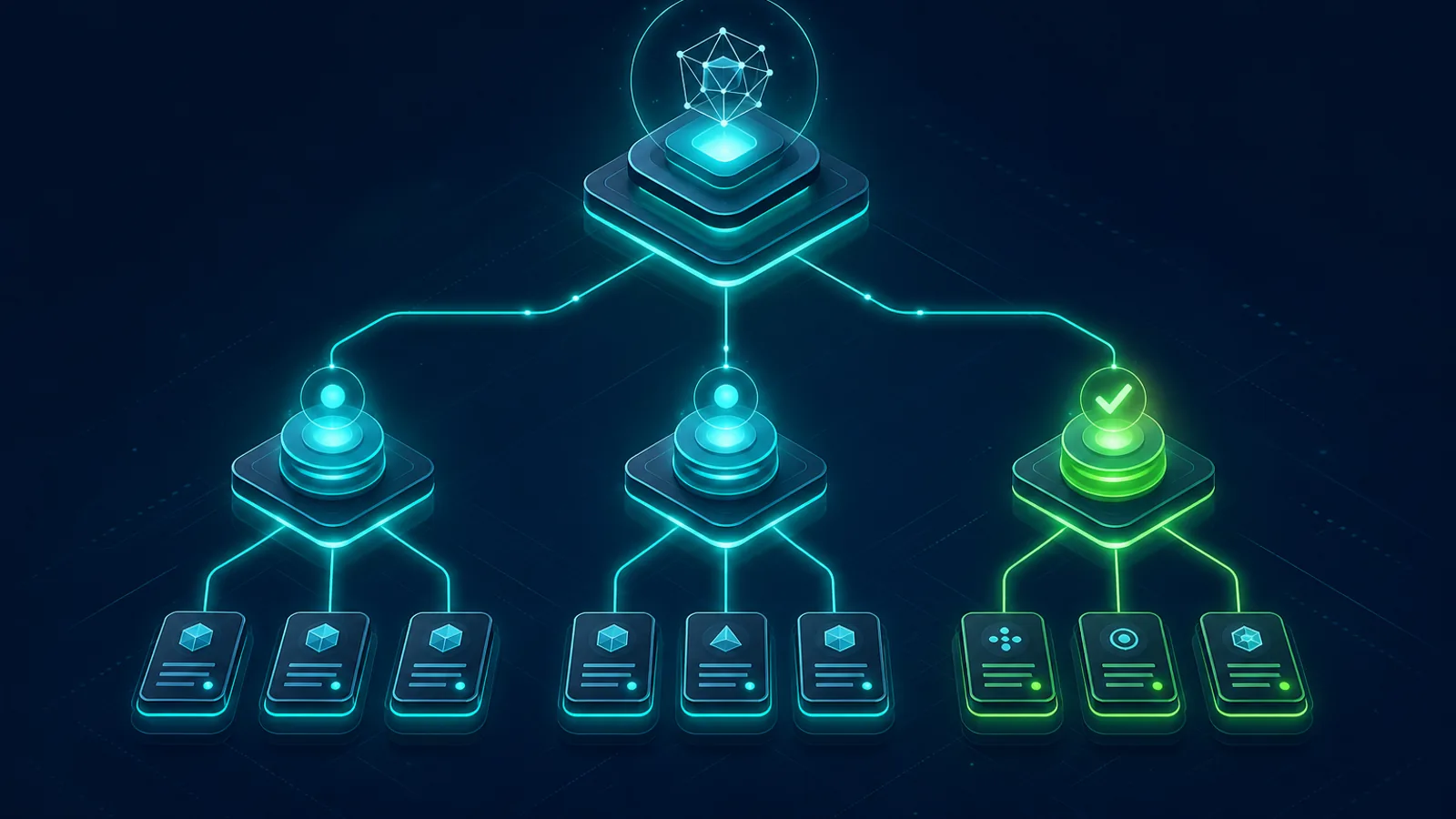
    When work exceeds one agent’s scope, orchestrators delegate across the network. Reasoning streams stay visible per agent so supervisors can intervene early.
    app.orqforge.com/runs/clm-2026-0847/mission-tree

    Agent network

    • Claims Orchestrator Monitoring
    • Damage Evaluation Working
    • Adjuster Agent Working
    • FNOL Agent Complete
    • Fraud Detection Disabled

    Reasoning — Damage Evaluation

    Analysing attached images for bumper and panel damage…

    Estimating repair bracket: £2,400 – £3,800 based on visible impact zone.

    Missing: garage estimate, policy excess confirmation.

    → Passing partial assessment to Adjuster Agent.

  7. 7 Govern

    Humans approve material outcomes

    Defensible to audit and procurement. Draft, assist, and auto modes configured per workflow type.

    Review gates map to role labels and stream owners. Approvers see recommended actions, contributors, confidence, and attachments before anything publishes.

    app.orqforge.com/runs/clm-2026-0847/review/review

    Pending approval

    Damage assessment report

    CLM-2026-0847 · Draft mode · Awaiting stream owner

    Recommended action

    Approve structured assessment and route to claims management system.

    Confidence: High · 3 evidence attachments · 2 agent contributors

    Approve & publish
    Request changes

    Review context

    • Execution mode

      Draft — human gate required

    • Reviewer

      Ops Lead (assigned)

    • Contributors

      Orchestrator, Damage Eval, Adjuster

    • Stage history

      11 stages · 12m 34s elapsed

    Material outcomes never publish without explicit human approval — configurable per workflow type.

  8. 8 Assure

    Evidence retained on every material run

    Answer “what happened, who approved it, and why” — without reconstructing from chat logs.

    Stage history, input snapshots, delegation lineage, and review decisions export for audit. Learning proposals stay governed — nothing silently changes agent behaviour.

    app.orqforge.com/runs/clm-2026-0847/evidence/audit-trail

    Retained evidence — CLM-2026-0847

    Immutable stage log · Exportable for audit & procurement

    PDF · JSON
    09:14:02
    Ingest Intake Agent

    Email + 2 attachments indexed

    09:14:18
    Triage Classification

    Routed to claim_intake · Priority: standard

    09:15:41
    Hierarchy Orchestrator

    Delegated to Damage Eval + Adjuster

    09:22:07
    Execute Damage Evaluation

    Assessment draft · £2,400–£3,800 bracket

    09:26:33
    Review System

    Queued for Ops Lead approval

    Input snapshots

    3 retained

    Delegation lineage

    2 hops

    Review decisions

    Pending

Product

All platform screens

Every view below uses fictional demo data. The same interfaces power claims, onboarding, support, approvals, and any workflow you define.

Agentic flow builder
app.orqforge.com/workspaces/demo-insurance/ai-trainer
AI Trainer 19 messages
I've reviewed your process docs. For this insurance example I'm proposing 6 roles across intake, evaluation, adjustment, and publishing. Enable orchestrator + FNOL + damage eval for the demo?
Yes — enable those three plus adjuster. Keep fraud detection disabled for now.
Done. Taxonomy updated: claim_intake, damage_assessment, adjustment_report. Review gates set to draft mode.
Attach documents or describe changes…
Send

Configure workspaces, roles, taxonomy, and review paths in a guided session — days, not years.

Agent hierarchy
app.orqforge.com/workspaces/demo-insurance/org/organisation

Agent hierarchy

Insurance claims (demo) · 6 roles · 3 tiers

Live
1

Process Orchestrator

Stream owner · Ops Lead (human)

Draft execution

  • Intake Agent

    Teams · Email · Webhook

  • Classification Agent

    Taxonomy routing

2

Delivery Orchestrator

Parallel specialist coordination

  • Damage Evaluation

    Scoped tools · Evidence pack

  • Adjuster Agent

    Structured output · Review path

  • FNOL Agent

    First notice · Complete

3

Review Coordinator

Human accountability gate

  • Stream reviewers

    2 assigned · Draft mode

Mirror your operating model: orchestrators, specialists, scoped tools, and human accountability gates.

Multi-channel triggers
app.orqforge.com/workspaces/demo-insurance/triggers/triggers

Multi-channel intake

Meet teams where they work — same governed pipeline for every trigger

T

Microsoft Teams

Active

Bot installed · 3 workspaces

@

Email listener

Active

claims-inbox@demo.example · Rule-based routing

W

Webhook

Active

Azure DevOps · Jira · Custom

Scheduled jobs

Configured

Daily heartbeat · Weekly reports

Enterprise pattern

Imperfect input from any channel → classified → orchestrated → reviewed → published to your systems.

Teams, email, webhooks, and schedules — every intake path feeds the same governed pipeline.

Workflow runs
app.orqforge.com/workflows/ai-workflows

Motor claim intake — CLM-2026-0847

claim_intake · Demo Insurance POC · Active · 12m 34s

Execute
Lobby
Ingest
Triage
Plan
Hierarchy
Execute
Post-Exec
Review
Publish
Learn
Done

Damage assessment report

Execute · 8m 12s · 24.1k tokens

Claims orchestrator

Execute · Delegating · 12m 34s

Live pipeline stages, elapsed time, token usage, and status on every run — inspectable end to end.

Agent chat
app.orqforge.com/chat/agent-chat
CO

Claims Orchestrator

● Working

New motor claim — rear-end collision, 2 photos attached. Policy holder reports vehicle not drivable. Please process.
Received. Classifying as claim_intake. I'll delegate damage evaluation and adjuster review. Estimated completion ~15 minutes.

Delegated

→ Damage Evaluation Agent (working)

→ Adjuster Agent (queued)

Message Claims Orchestrator…

Talk to role agents directly. Attach documents, trigger work, and follow reasoning in real time.

Agent delegation
app.orqforge.com/runs/clm-2026-0847/mission-tree

Agent network

  • Claims Orchestrator Monitoring
  • Damage Evaluation Working
  • Adjuster Agent Working
  • FNOL Agent Complete
  • Fraud Detection Disabled

Reasoning — Damage Evaluation

Analysing attached images for bumper and panel damage…

Estimating repair bracket: £2,400 – £3,800 based on visible impact zone.

Missing: garage estimate, policy excess confirmation.

→ Passing partial assessment to Adjuster Agent.

Orchestrators coordinate specialists in parallel — with full visibility into who is doing what.

Review gate
app.orqforge.com/runs/clm-2026-0847/review/review

Pending approval

Damage assessment report

CLM-2026-0847 · Draft mode · Awaiting stream owner

Recommended action

Approve structured assessment and route to claims management system.

Confidence: High · 3 evidence attachments · 2 agent contributors

Approve & publish
Request changes

Review context

  • Execution mode

    Draft — human gate required

  • Reviewer

    Ops Lead (assigned)

  • Contributors

    Orchestrator, Damage Eval, Adjuster

  • Stage history

    11 stages · 12m 34s elapsed

Material outcomes never publish without explicit human approval — configurable per workflow type.

Material outcomes wait for explicit human approval. Execution mode, reviewers, and context on one screen.

Audit evidence
app.orqforge.com/runs/clm-2026-0847/evidence/audit-trail

Retained evidence — CLM-2026-0847

Immutable stage log · Exportable for audit & procurement

PDF · JSON
09:14:02
Ingest Intake Agent

Email + 2 attachments indexed

09:14:18
Triage Classification

Routed to claim_intake · Priority: standard

09:15:41
Hierarchy Orchestrator

Delegated to Damage Eval + Adjuster

09:22:07
Execute Damage Evaluation

Assessment draft · £2,400–£3,800 bracket

09:26:33
Review System

Queued for Ops Lead approval

Input snapshots

3 retained

Delegation lineage

2 hops

Review decisions

Pending

Stage history, delegation lineage, and input snapshots — retained for audit, procurement, and assurance.

Ready for your processes?

We will walk you through a live session configured around your roles, review paths, and integration requirements — not a generic slide deck.

  • Map your operating model to workspaces and agent hierarchy
  • Define execution modes and review gates per workflow type
  • Connect Teams, email, or webhooks to your first agentic flow
  • Discuss procurement, audit, and deployment with your stakeholders

Book a tailored walkthrough

Tell us your use case — we'll show OrqForge configured for your enterprise, not ours.