Enterprise agentic AI
Deploy a fully orchestrated AI workforce in days, not years
Hand your repeatable processes to a governed AI workforce. Grow output without growing headcount one-for-one, clear queues with specialists working in parallel, and keep a human accountable for every outcome that matters.

The challenge
Complex work still runs on human coordination
The cost is not just time. It is risk, rework, and outcomes you cannot defend to audit or procurement.
Every enterprise depends on processes that cross teams, channels, and approval paths. Email threads, handoffs, and tribal knowledge create delays, inconsistency, and gaps in the audit trail.
- Specialists wait on each other instead of working in parallel
- Context lives in inboxes and chat, not in governed systems
- No retained evidence when something goes wrong
The outcome
Governed deliverables in days, not years
Parallel specialists at machine speed, with review gates and evidence on every material run.
Days
Not years, to configure your first agent network
Parallel
Specialists working at the same time, not waiting on each other
In sync
Live status, handoffs, and fold-back per agent
Governed
Review gates and evidence on every material run
By role
Find the view that fits your role
Each leader in the room cares about a different outcome. Pick the path that speaks to yours.
Is this a strategic advantage, and what changes in the business in 90 days?
Lead the shift to an AI workforce instead of being disrupted by it.
See CEO outcomes → COOCan this remove operational drag and mobilise capacity?
Mobilise capacity and hit SLAs without adding people to every queue.
See COO outcomes → CFODoes this reduce cost, avoid headcount, and create measurable payback?
Convert variable, hard-to-forecast effort into governed, predictable cost.
See CFO outcomes → CIO / CTOCan we run this safely as a platform?
Put AI into production with control, integration, and an exit from vendor risk.
See CIO / CTO outcomes → CISOCan I defend this to audit, risk, and compliance?
Let the business use AI without losing control, evidence, or accountability.
See CISO outcomes → ArchitectIs this technically credible, inspectable, and not a black box?
Pressure-test how agents delegate, execute, and prove their work.
See Architect outcomes →How it works
From messy intake to approved outcome
Work arrives from Teams, email, or a webhook. An orchestrator picks it up, assigns specialists, and they work in parallel. Results fold back to the parent. When the deliverables are ready, a human approves before anything publishes.
- 1
Agentic AI
Role agents produce deliverables
Each agent is trained for a job: analyse input, draft a report, open a ticket, write code. They use scoped tools, reason through the work, and hand off a result worth reviewing.
Learn more → - 2
Chain of command
Orchestrators assign the work
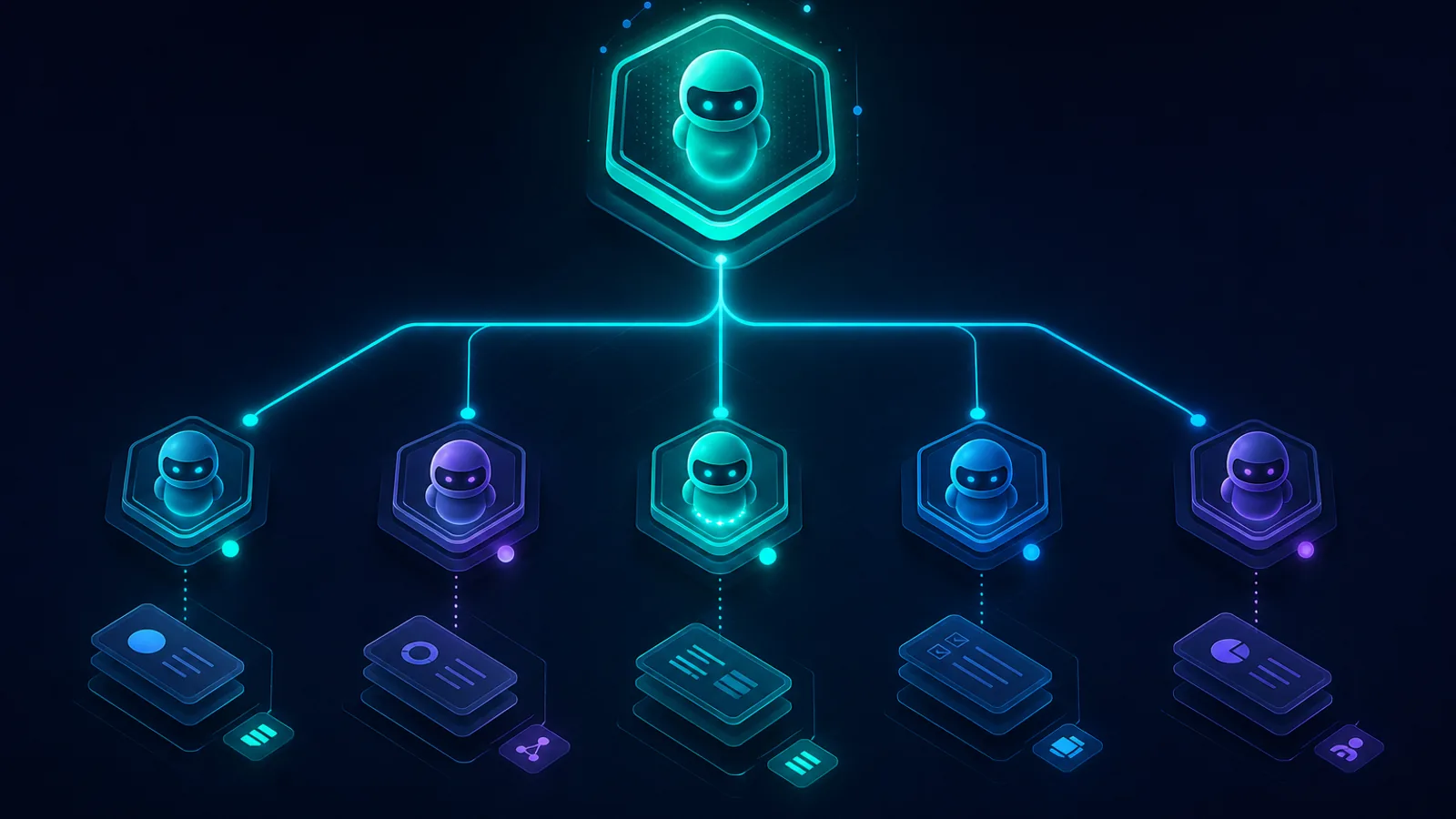
When intake arrives, an orchestrator triages it and delegates to direct reports. Specialists run in parallel. Stream owners and human reviewers sit where accountability matters.
Learn more → - 3
Synced missions
The team stays in lockstep
The mission tree shows who is working, who is waiting on whom, and what just folded back. Specialists report to the orchestrator. Humans sit at the gates that matter.
Learn more →
Chain of command
Who owns the work
When intake arrives, someone has to decide what happens next and who does it. Orchestrators sit at the top of the mission tree. They delegate to specialists with scoped tools. Human reviewers wait at the gates that matter.
-
Managers and specialists
Orchestrators coordinate. Direct reports execute. Work flows down the hierarchy without skipping a layer.
-
Parallel assignments
One orchestrator can delegate to several specialists at once. Each picks up its own work immediately.
-
Human accountability gates
Stream owners assign reviewers. Material outcomes route through accountable humans before publish.
How it works
Work moves like a real operations team
One operating model for any process your organisation runs.
Work arrives. An orchestrator assigns specialists. They work in parallel, stay in sync, and report back. You add stages only if that process needs them. Humans approve before anything publishes.
Platform deep-dive →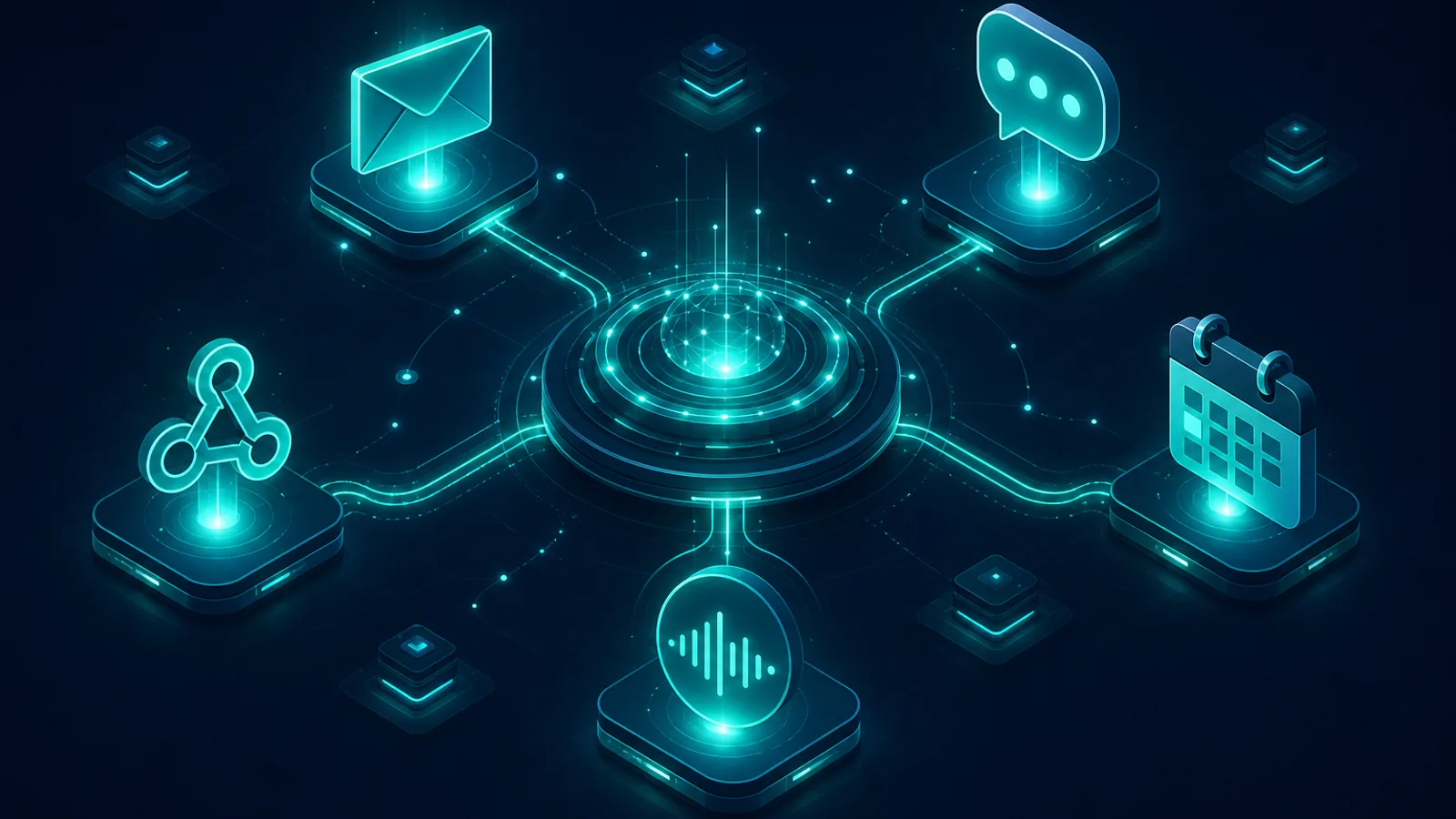
Synced agent teams
Orchestrated agents that work in parallel and report back
An orchestrator assigns specialists. They run at the same time, stay in sync through the mission tree, and fold results back to the parent. Humans approve when the outcome matters.
Live status, elapsed time, and bottlenecks show per agent. Supervisors see the team, not a black box.
The platform
Every screen operators and reviewers need
Real interfaces for real work. Not slides, not a generic chatbot.
Configure workspaces and roles. Trigger work from any channel. Watch the mission tree as specialists work in parallel. Approve outcomes. Retain evidence. This is the production platform your teams run on.
Product tour →Product
Platform screens
Configure, run, delegate, review, and audit. View all eight interfaces on the product tour.
Configure workspaces, roles, taxonomy, and review paths in a guided session. Days, not years.
Chain of command: orchestrators, specialists, scoped tools, and human accountability gates.
Teams, email, webhooks, and schedules. Every intake path reaches the orchestrator first.
Live mission status: who is working, who is waiting on reports, and what just folded back.
Enterprise trust
AI you can defend to audit and procurement
Governed learning. Nothing silently changes agent behaviour without explicit approval.
Assist, draft, and auto execution modes per workflow type. Review gates map to stream owners. Delegation lineage, input snapshots, and review decisions export for assurance.
Governance details →
OrqForge frequently asked questions
How is OrqForge different from ChatGPT or a chatbot?
Do agents have to run stages?
Can agents delegate work to each other?
How do humans stay in control?
How long does it take to configure a workspace?
Is OrqForge only for insurance?
Where can agents be triggered from?
Is OrqForge production-ready?
Lead the transformation, don't follow it
The question isn't whether AI agents will transform your industry. The question is whether you'll lead that transformation. Let's talk.