Take repeatable work out of human queues
Teams stop spending their best time on intake, routing, chasing, and first-pass drafting.
For the COO
Can this remove operational drag and mobilise capacity?
Decision answer
OrqForge gives operations a way to move repeatable work out of inboxes, meetings, and manual handoffs. The page that matters for a COO is not a feature list. It is whether queues shrink, specialists work in parallel, and supervisors can see where work is stuck.
The problem you own
Throughput is capped by how many people you can put on a queue.
Work stalls in handoffs, inboxes, and tribal knowledge between teams.
Peaks force a choice between missed SLAs and expensive temporary headcount.
Outcomes this role owns
Teams stop spending their best time on intake, routing, chasing, and first-pass drafting.
Cycle time drops because work no longer waits for one person or team to finish before the next starts.
Supervisors see agent status, bottlenecks, and handoffs without asking for manual updates.
Proof that matters to you
This is what you need to know before the product tour or platform deep-dive is worth your time.
Work enters once, is classified, and moves to the right role agents without manual triage becoming the bottleneck.
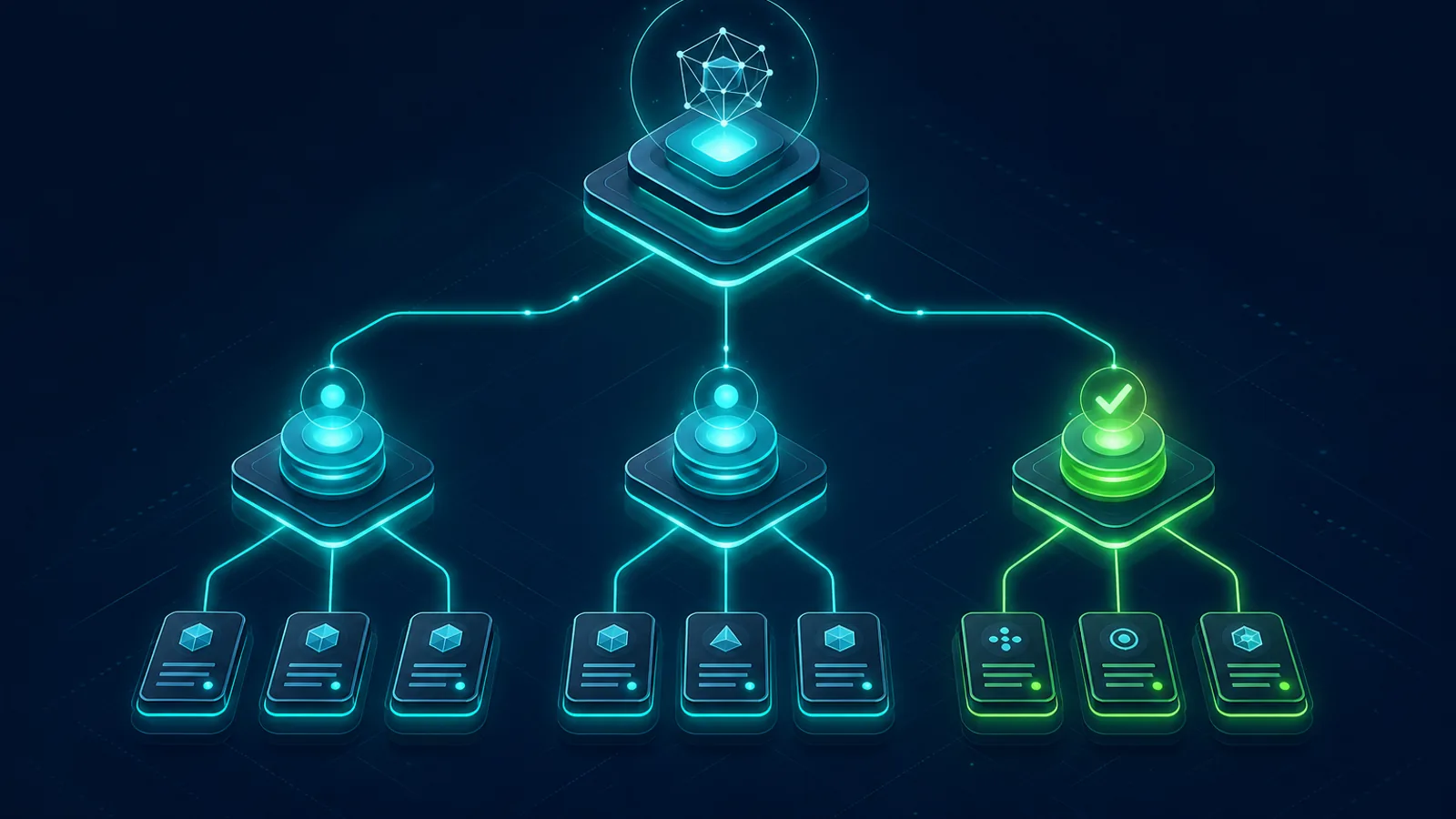
The orchestrator can assign several specialists at once, each with its own status, tools, and review path.
Operations leaders see elapsed time, ownership, live agent status, and exceptions, not a single black-box automation run.
Parallel
Specialists clearing work at the same time
Per agent
Live status, elapsed time, and bottleneck visibility
Any channel
Teams, email, webhooks, and schedules into one queue
Example process
A concrete way to see the change, without turning the product into one industry or one demo.
Before
Requests arrive from multiple channels. People classify them, chase missing context, assign specialists, and hold status calls to work out where each item stands.
With OrqForge
The orchestrator receives intake, classifies it, delegates to direct-report specialists, tracks the mission tree, and routes material outputs to human review.
After
The same team supervises more work. Routine handling runs in parallel, exceptions get attention earlier, and leaders can see capacity instead of guessing.
Your questions, answered
Every leader in the room has different concerns. These are the questions most relevant to yours.
No. You choose assist, draft, or auto per workflow. Material outcomes can stop at human gates while agents handle the repeatable coordination around them.
No. The point is to collapse intake into one governed operating model, then expose ownership and live agent status in one place.
Yes. Roles, taxonomy, and review paths are configured per workspace, so each process can reflect how that team actually works. Stages are optional extra structure.
Next step
Bring one queue, one process owner, and the rules your team already follows. We will map where agents can remove drag.
Who is in the room
Pick the chair you sit in. Each view leads with the outcomes you own, then drills through to how it works.
Also shapes the decision
Bring the rest of the leadership team. We will walk each person through the outcomes, proof, and controls relevant to their role.