Replace scattered AI tools with one governed layer
Business teams get AI workflows while IT keeps control over ownership, execution mode, and evidence.
For the CIO and CTO
Can we run this safely as a platform?
Decision answer
OrqForge gives technology leaders a governed orchestration layer for agentic work. It is designed to reduce shadow AI, connect to existing channels, and give IT a control model the business can use without waiting for a custom build every time.
The problem you own
Every business unit wants its own AI tool, and shadow AI is spreading.
Point solutions create integration debt and lock you into one vendor.
A general chatbot cannot be governed, integrated, or held accountable.
Outcomes this role owns
Business teams get AI workflows while IT keeps control over ownership, execution mode, and evidence.
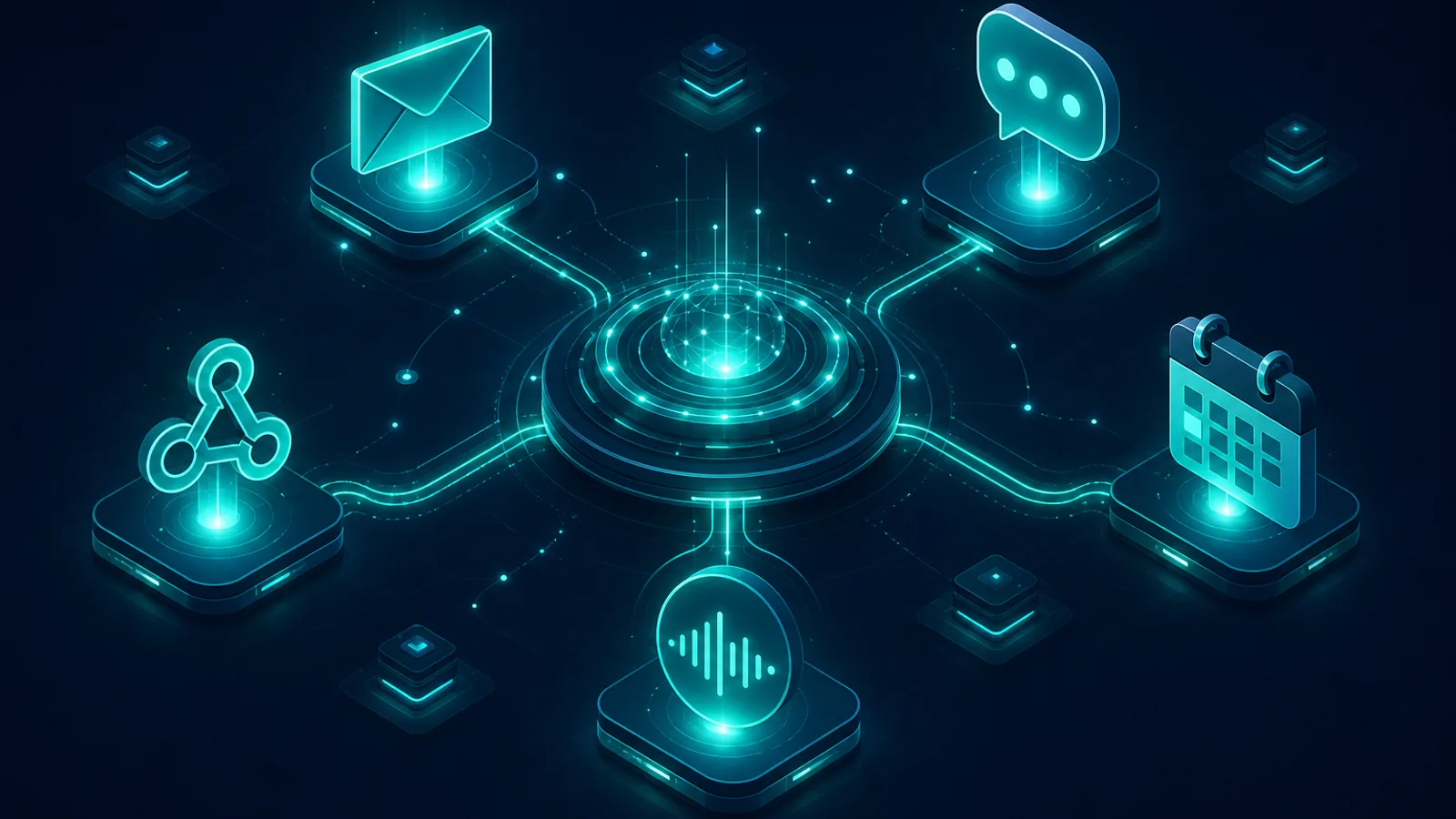
Teams, email, webhooks, and schedules become governed intake paths instead of isolated automations.
Roles, review paths, and learning controls become reusable platform configuration.
Proof that matters to you
This is what you need to know before the product tour or platform deep-dive is worth your time.
Workspaces, roles, hierarchy, execution modes, and review gates are explicit configuration, not hidden prompt logic. Stages are optional when a process needs extra structure.
The product is built around real enterprise intake paths: Teams, email, webhooks, schedules, and handoffs between agents.
Learning proposals require approval, so agent behaviour does not drift silently after rollout.
One platform
Instead of many ungoverned point tools
Multi-channel
Native intake across the systems you run
Per workflow
Assist, draft, and auto modes you configure
Example process
A concrete way to see the change, without turning the product into one industry or one demo.
Before
Teams adopt separate tools, scripts, and prompts. IT is asked to support outcomes it cannot inspect, govern, or integrate cleanly.
With OrqForge
The platform models roles, intake, delegation, review, and evidence in one operating layer that business teams can configure with IT guardrails.
After
AI moves from disconnected experiments to a governed platform pattern that can be reused across functions.
Your questions, answered
Every leader in the room has different concerns. These are the questions most relevant to yours.
The intent is the opposite: one orchestration layer for repeatable agentic work, with reusable roles, channels, and control patterns.
Yes. Business teams can model work, but execution modes, review gates, evidence, and learning approvals keep the operating model controlled.
Give teams a governed place to build and run agentic workflows, so they do not need unmanaged tools to get value.
Next step
Walk through the operating model, integration points, governance controls, and rollout path with your architecture team.
Who is in the room
Pick the chair you sit in. Each view leads with the outcomes you own, then drills through to how it works.
Also shapes the decision
Bring the rest of the leadership team. We will walk each person through the outcomes, proof, and controls relevant to their role.